
For years, I struggled with makeup because my pale skin made everything look either too harsh or completely washed out. I tried trends that looked amazing on others but just didn’t feel right on me. Learning what makeup looks best on pale skin took time, patience, and a lot of trial and error.
This guide is based on my real experience—what finally worked, what I stopped doing, and how I learned to enhance my natural skin tone instead of fighting it. If you have pale skin and feel confused by makeup, you’re not alone.
1. Start with a Light, Skin-Like Base
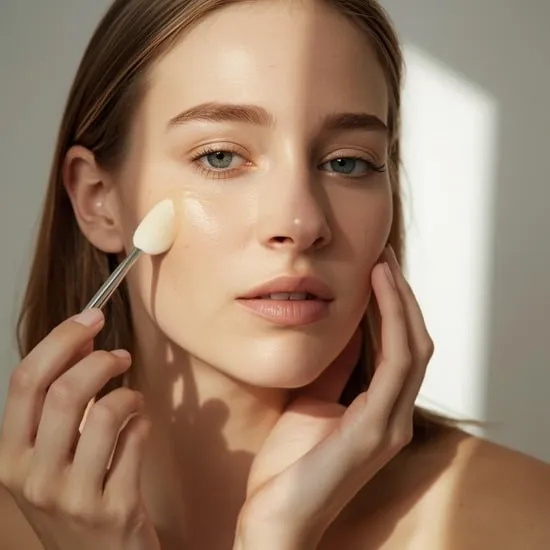
I learned quickly that heavy foundation looks obvious on pale skin. It can easily turn flat or mask-like.
A lightweight foundation or tinted moisturizer that matches my undertone made my skin look fresh and natural instead of overdone.
2. Choose Soft, Neutral Undertones
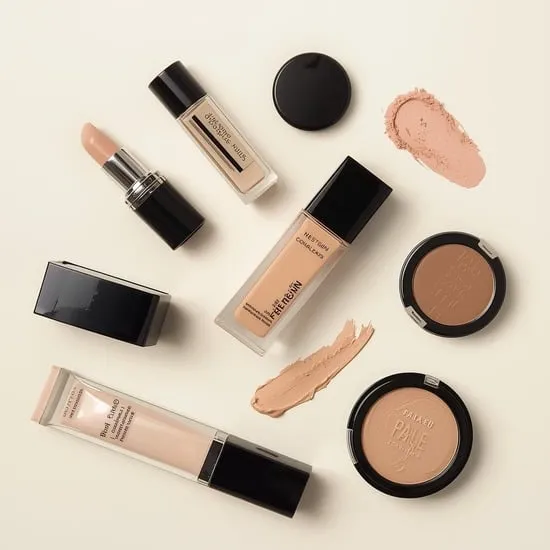
Warm orange or very yellow products never worked for me. They made my skin look unnatural.
Soft neutral or cool-toned products helped me understand what makeup looks best on pale skin without clashing.
3. Blush Is Essential (But Needs the Right Shade)
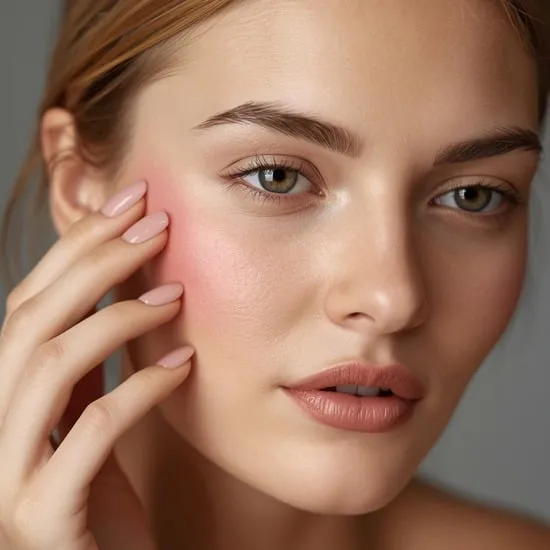
For a long time, I skipped blush because I was scared of looking clownish. That was a mistake.
Soft pinks, rose tones, and muted peaches brought life back into my face in the most natural way.
4. Go Easy on Bronzer
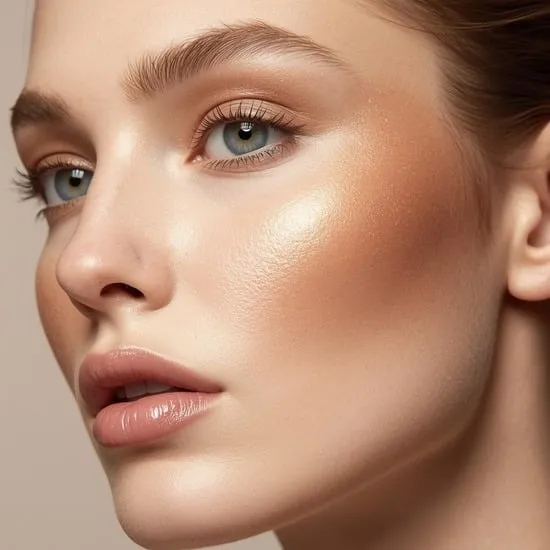
Bronzer was tricky for me. Too dark and I looked muddy; too orange and it felt wrong.
Light, cool-toned bronzers used sparingly helped add dimension without overpowering pale skin.
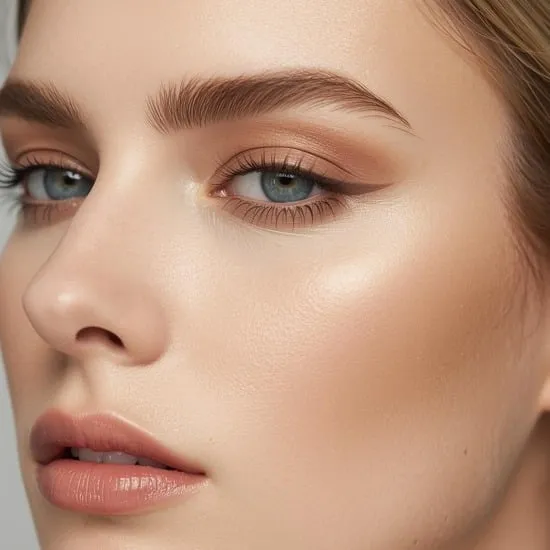
5. Soft Eye Makeup Works Best
Very dark or heavy eye makeup often looked harsh against my skin tone.
Neutral browns, taupes, soft mauves, and light grays made my eyes stand out gently and beautifully.
6. Avoid Overdoing Black Eyeliner
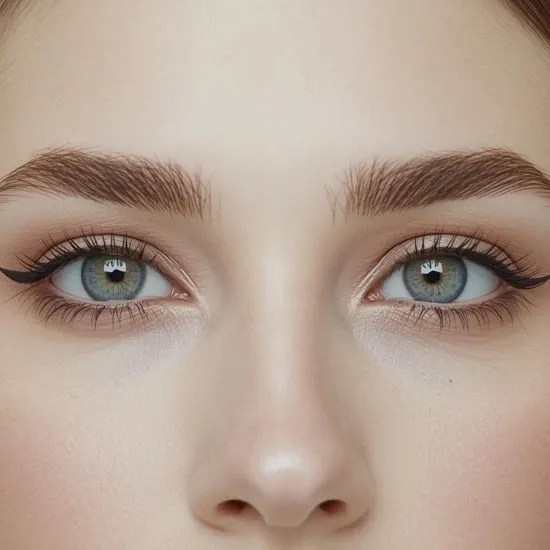
Thick black eyeliner made my eyes look smaller and too intense.
Switching to brown or charcoal liner helped me create definition while keeping things soft.
7. Mascara Makes a Big Difference
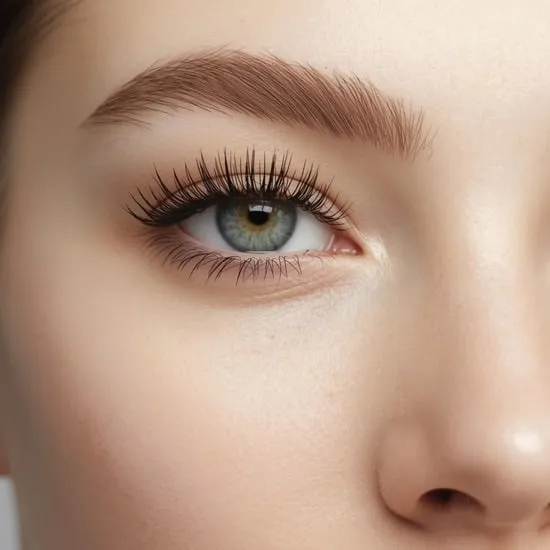
Mascara is one product I never skip. It adds contrast without needing heavy eye makeup.
Black-brown or brown mascara often looks more natural on pale skin than jet black.
8. Highlighter Should Be Subtle
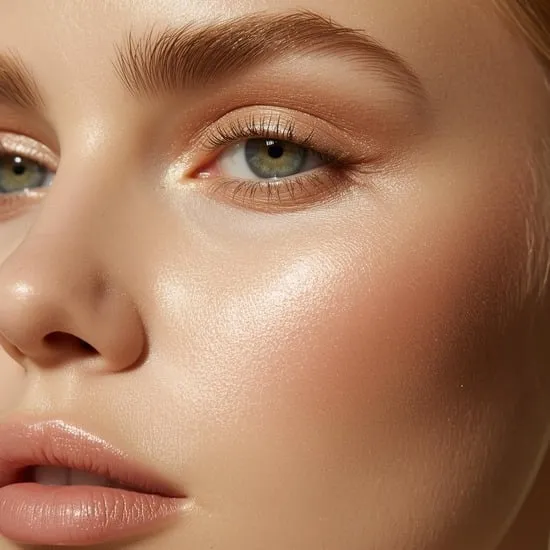
I learned that chunky or very gold highlighters don’t flatter pale skin.
Soft champagne, pearl, or icy tones added glow without emphasizing texture.
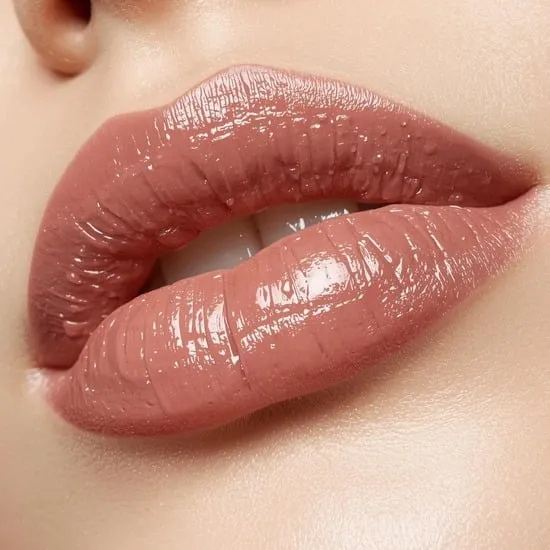
9. Lip Colors Matter More Than You Think
Very dark or neon lips often felt overwhelming on me.
Rosy nudes, soft pinks, mauves, and sheer berry shades helped balance my entire makeup look.
10. Balance Is the Key
The biggest lesson I learned was balance. When my eyes were soft, lips could shine—and vice versa.
Understanding what makeup looks best on pale skin helped me stop copying trends and start choosing what truly suits me.
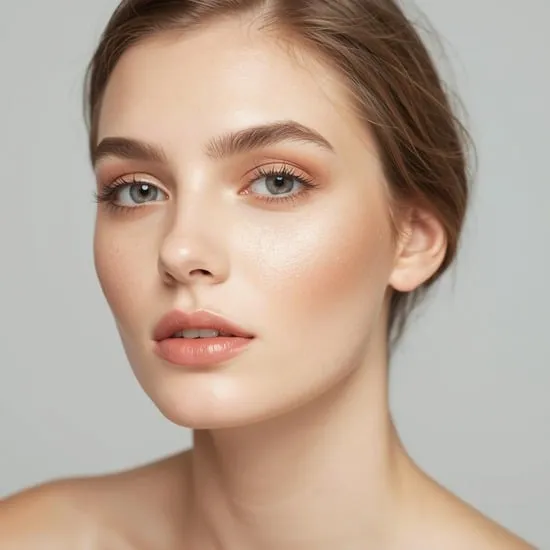
Learning what makeup looks best on pale skin changed how I feel about makeup completely. It’s no longer about covering up, but about enhancing what’s already there.
If you have pale skin, trust me—you don’t need more makeup, just the right shades and a softer approach.
