
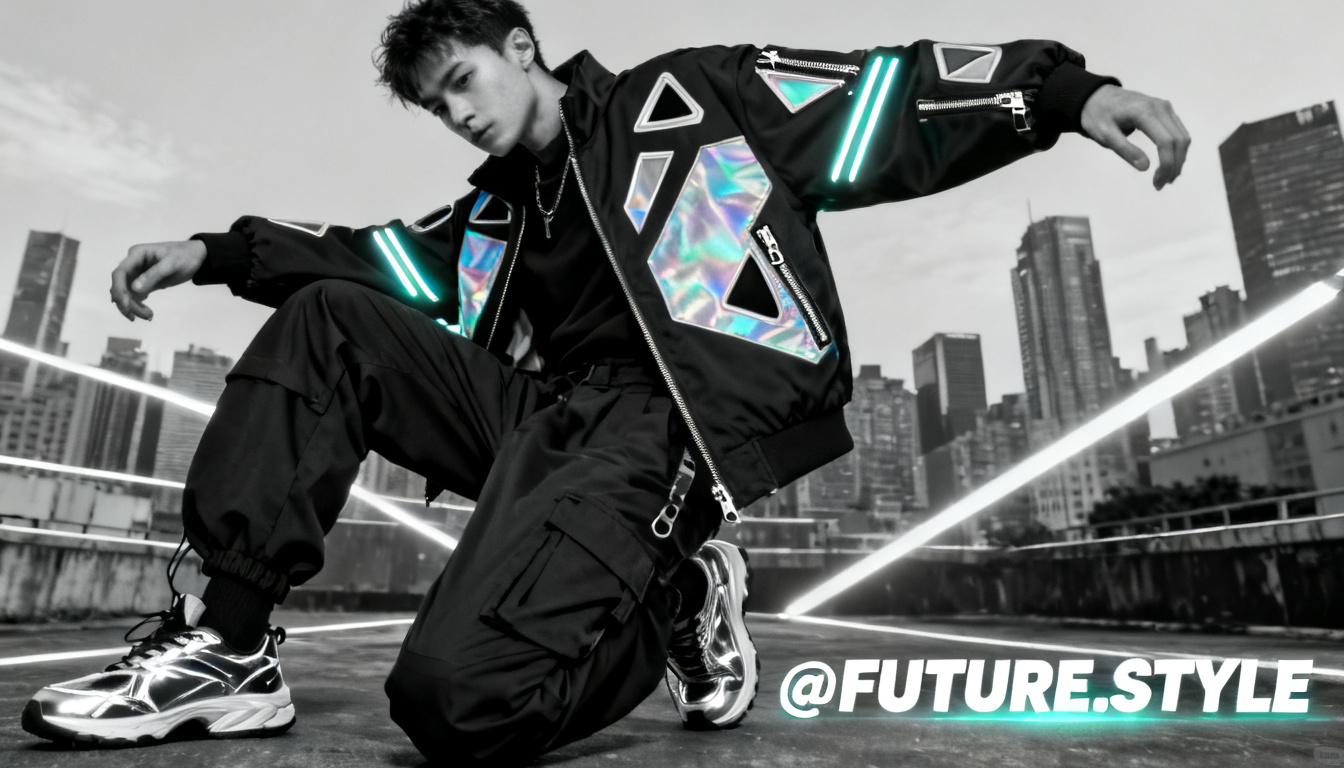
If you’ve been paying attention to the way we scroll, like, and shop over the last few years, you know that the landscape of Instagram fashion is shifting beneath our feet. I’ve spent the better part of the last decade analyzing influencer culture and tracking the lifecycle of trends from the peak of fast-fashion hauls to the current, messy transition into quiet luxury. But looking ahead to 2026 isn’t just about guessing which color pantone will pick next. It’s about understanding a fundamental change in how influencers interact with technology, ethics, and their own audiences.
By 2026, the polished, overly curated feeds that dominated the 2010s will feel downright archival. We are moving toward an era that I call “Phygital Authenticity.” It’s a blend of physical reality and digital expression, driven by a generation of creators who are tired of pretending perfection is attainable. Here is my deep dive into the trends that will define your feed in 2026, based on the trajectories I’m seeing right now in the industry.
The Death of the “Haul” and the Rise of Radical Re-wear
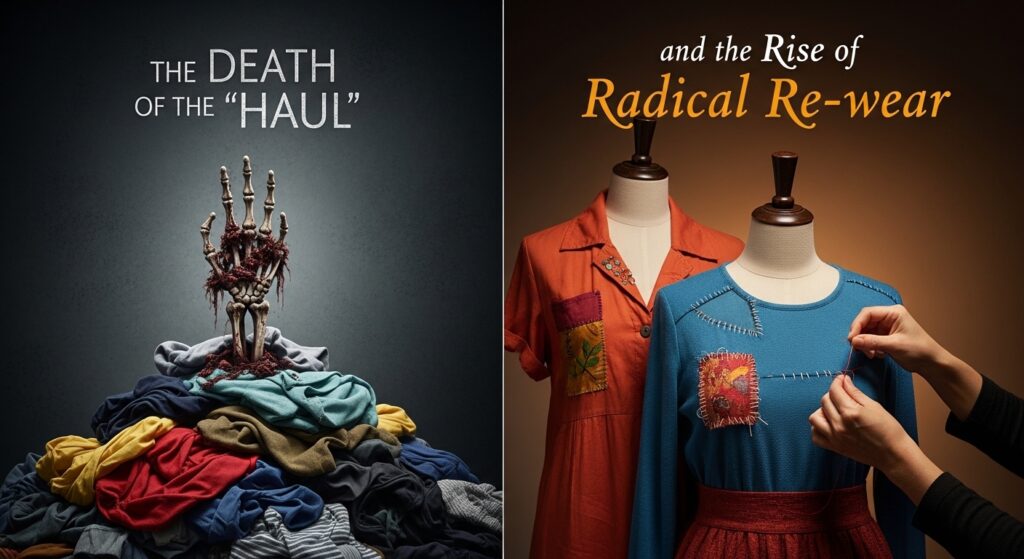
Let’s be honest: the massive Sheik haul videos are already starting to feel a bit tone-deaf. By 2026, I predict they will be virtually extinct, at least among the top-tier influencers. The audience is becoming too savvy for disposable content. We are seeing a massive pivot toward circular fashion. Influencers in 2026 won’t just be showcasing new drops; they will be curating their closets like museums. The status symbol won’t be a brand-new bag every week; it will be the ability to style a vintage archival piece in five different ways. We are already seeing the seeds of this with platforms like Depok and Vestiaries’ Collective collaborating with creators.
I expect to see a surge in wardrobe auditing content. Influencers will be tracking their cost-per-wear (CPW) openly, using data to show their followers that buying a $300 coat that lasts 10 years is smarter than buying three $100 coats that fall apart in a season. This is driven by a genuine economic shift inflation is real, folks and a desire for sustainability. The haul will be replaced by the staple, and the credit won’t go to the brand with the fastest production, but to the creator who knows how to mend a garment.
Digital Fashion and the “Try-On” Revolution
This is where things get sci-fi, but stick with me because it’s happening faster than you think. Right now, trying on clothes online is a gamble. Returns are a nightmare for both customers and retailers. By 2026, augmented reality (AR) and AI integration will be standard tools for every fashion influencer worth their salt. I’m not just talking about silly filters. I’m talking about hyper-realistic digital fashion. Influencers will be wearing digital skins to test out cuts and colors before they ever buy the physical item. Imagine scrolling through a Reel where your favorite creator tries on a digital ballgown, twists and turns to show you how the fabric moves in the virtual light, and then drops a link to pre-order the physical version.
This changes the game for smaller designers, too. A creator with a strong eye but a limited budget can digitally sample a collection from a designer in Milan, style it in their unique aesthetic, and drive sales without ever shipping a physical box. It reduces the carbon footprint of the industry significantly. We might even see influencers launching purely digital lines clothes you buy only to wear in your metaverse spaces or on your social avatars. It sounds niche now, but the Gen Z and Alpha cohorts are already spending real money on digital skins for games; transferring that to fashion influencer culture is the next logical step.
The “Lo-Fi” Aesthetic Movement
If you feel exhausted by the hyper-edited, high-gloss, studio-lit photos that flood Explore pages today, you aren’t alone. There is a growing craving for texture and humanity. By 2026, the Instagram vs. Reality trope will stop being a joke and become the actual aesthetic standard. The top influencers will be the ones who embrace lo-fi content. Think grainy footage, unedited skin texture, visible clutter in the background, and outfit shots taken in bad lighting. This aligns with the “anti-influencer” sentiment that is bubbling up. People trust people who look like they actually live in their clothes, not just display them.
We will see a move away from the perfect fit model. Influencers will champion clothes that fit real bodies, acknowledging that denim stretches and that sizing is arbitrary. This isn’t just an aesthetic choice; it’s a business necessity. The audience is demanding transparency. An influencer who posts about how a pair of jeans digs into their waist but admits they love the look anyway will build more trust in 2026 than one who pretends every item fits like a glove off the rack.
Hyper-Niche Micro-Tribes

The days of the fashion girlie who appeals to everyone are numbered. By 2026, the algorithm will be so good at sorting that influencers will have to specialize intensely to survive. We will move away from broad trends like Cottage core or “Y2K” and into hyper-specific micro-tribes. I’m talking about aesthetics that might sound bizarre to us now think Cyber-Agrarian” (tech-wear mixed with rugged workwear) or “Gilded-Hyperbeat” (luxury streetwear mixed with Victorian silhouettes). Influencers will become community leaders for these tiny, dedicated subcultures.
This changes how brands approach marketing. Instead of partnering with one massive celebrity to reach 10 million people, a brand will partner with fifty micro-influencers, each speaking to a specific tribe of 50,000 highly engaged followers. The content will feel incredibly personal, almost like text messages between friends rather than broadcasts to a crowd.
The Ethical Imperative and Transparency
Finally, we can’t talk about 2026 without addressing the ethics. The wild west era of influencer marketing is ending. Regulations are tightening, and audiences are asking hard questions about funding and sourcing. In 2026, disclosure won’t just be a tiny #ad buried in the caption; it will be integrated into the storytelling. Audiences will demand to know the supply chain of the clothes being promoted. Is the cotton organic? Were the workers paid a fair wage? If an influencer can’t answer these questions, their partnership deal could turn into a PR nightmare.
I also foresee a rise in activist influencers creators who use their platform specifically to champion ethical brands and call out greenwashing. This isn’t just charity; it’s a branding strategy. Authenticity is the currency of the future, and nothing kills authenticity faster than getting caught promoting a brand that is destroying the environment.
The Bottom Line
Fashion on Instagram in 2026 won’t be about showing off how much you can buy. It will be about showing off how well you can curate, repair, and style. It will be a mix of high-tech digital innovation and low-tech, human-centric storytelling. The influencers who thrive will be the ones who treat their followers like intelligent communities, not just consumers. As we approach this new era, the most stylish thing you can wear is your integrity.
FAQs
Q: Will fast fashion disappear completely by 2026?
A: Unlikely. While it will lose dominance among top-tier influencers who prioritize reputation, fast fashion will still exist for budget-conscious consumers. However, even fast fashion brands will be forced to adopt more sustainable marketing tactics and “drops” to mimic streetwear culture.
Q: What role will AI play in Instagram fashion posts?
A: AI will be a behind-the-scenes workhorse. It will help influencers predict trends, analyze their engagement data, and generate realistic digital fashion try-ons. However, the voice of the influencer will remain human because audiences crave connection, not simulation.
Q: Is video content going to replace static photos entirely?
A: We are moving heavily toward video (Reels, Stories), but static photos won’t die. They will just become more artistic and raw, functioning as “portfolio” pieces rather than the main feed drivers. Expect to see more carousels that mix video with stills.
Q: How can regular people prepare for these trends?
A: Start by building a versatile, high-quality capsule wardrobe and learning the basics of garment care. Invest in pieces that last. Also, start engaging with smaller, niche creators who align with your personal values rather than just following the biggest accounts.
Q: Will the “metaverse” actually impact how we dress in real life?
A: Yes. As digital fashion becomes more prevalent, we’ll likely see real-world clothes designed to look good on camera (and in AR filters) bolder colors, exaggerated shapes, and reflective materials that pop on a screen.
