
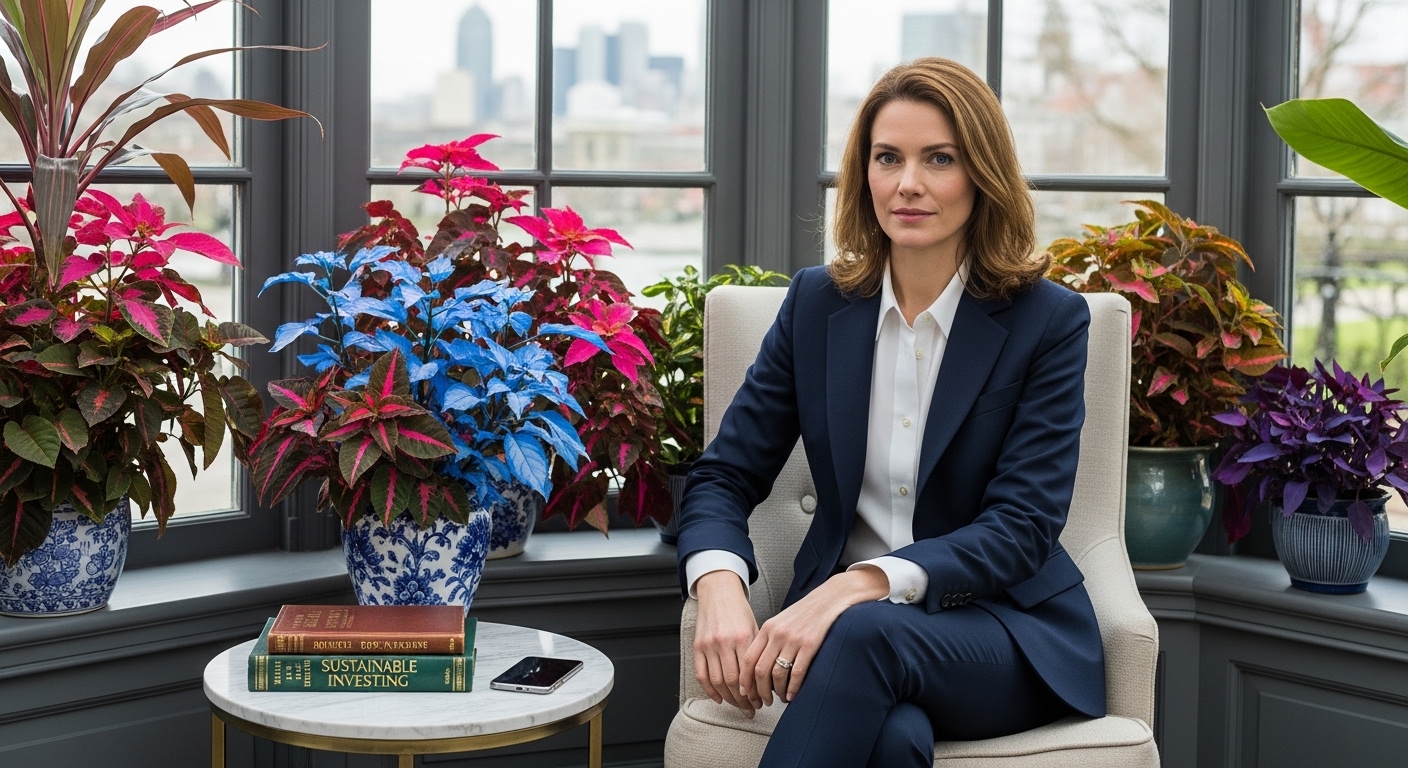
I still remember the first time I truly understood old money style. It wasn’t in a boutique; it was at a dusty estate sale in Connecticut, watching a woman in her seventies try on a 1980s cashmere blazer. She didn’t check the label for a logo. She rubbed the fabric between her fingers, checked the lining, and examined the buttonholes. When she put it on, she didn’t pose; she just moved. The jacket moved with her. That’s the lesson we’re finally learning as we head into 2026.
The “Old Money Aesthetic” that saturated our feeds a few years back the TikTok uniforms of cable knits and tennis skirts is shedding its costume-like skin. If you’re looking at Old Money aesthetic fashion trends for 2026, forget the caricature. We’re moving past the beige-on-beige fast fashion dupes and into something far more substantial: Heritage Modern. It’s less about looking wealthy and more about dressing with intention, provenance, and a deep respect for craftsmanship.
The Shift from Aesthetic to Ethos
Let’s be real for a moment. You cannot fast-fashion your way to old money. The contradiction was always glaring. The core of this style has never been about the price tag; it’s about longevity. By 2026, the trend has matured into a conscious rejection of disposable clothing. I’m seeing a massive pivot among Gen Z and younger Millennials toward “quiet luxury” that prioritizes sustainable investment pieces.
The girl dressing in this style next year isn’t buying a polyester blend blazer because it looks like something from a prestige drama. She’s hunting for deadstock wool, learning to tailor, and building a capsule wardrobe that tells a story. The focus has shifted from the brand to the make. It’s about regional craftsmanship, natural fibers, and items that age with grace.
Key Silhouettes and Textures for 2026
So, what does this actually look like on the street? Based on what I’m seeing in showrooms, vintage archives, and on the most stylish women in cities from London to Seoul, here’s where the style is heading.
1. Unstructured Tailoring: The stiff, shoulder-padded blazers are retiring. 2026 favors soft shoulders and fluid lines. Think unlined linen-blend jackets or cardigan-style blazers that feel as comfortable as a sweater but read as polished. It’s “educated ease.” You want pieces that work for a morning coffee run and an evening gallery opening without a costume change.
2. The Return of the Midi: We’re seeing a move away from mini skirts toward elegant midi lengths. Pleated wool skirts, bias-cut silk slips, and A-line denim cuts are dominating. These lengths are practical, timeless, and inherently sophisticated. Pair a heavy-gauge merino midi with loafers and thick socks for a look that screams timeless fashion for girls who value comfort as much as style.
3. Lived-In Color Palettes: Sterile creams and bright whites are giving way to lived-in hues. We’re talking moss green, oxblood, charcoal, deep navy, and tobacco brown. These colors hide the wear of daily life and develop a rich patina over time. They feel grounded and authentic, moving away from the high-maintenance vibe of all-white outfits.
4. Heirloom Knits: The cable knit isn’t going anywhere, but the execution is changing. Look for hand-finished details, irregular textures, and heavier weights. A chunky fisherman sweater in undyed wool is a staple. The trend is leaning toward pieces that look like they could have been pulled from a grandmother’s cedar chest, even if they’re new.
Fabric is King: An Expert’s Note
As someone who spends half their life feeling fabric swatches, I can’t stress this enough: texture is everything in 2026. Flat, synthetic-looking materials are a dead giveaway. The Old Money aesthetic 2026 relies on tactile richness.Prioritize natural fibers. Organic cotton poplin that holds a crease, slubbed silk that catches the light, hemp blends that soften with every wash, and regenerative wool.
There’s a growing demand for transparency here. Brands are starting to highlight not just the fiber, but the farm. If you’re shopping, check the label. A 100% wool gabardine trouser will outlast a viscose blend by a decade and drape infinitely better. Learn to care for these fabrics. Steaming, proper storage, and occasional professional cleaning are the unglamorous habits that keep this wardrobe alive.
Styling with Soul: A Real-Life Case Study
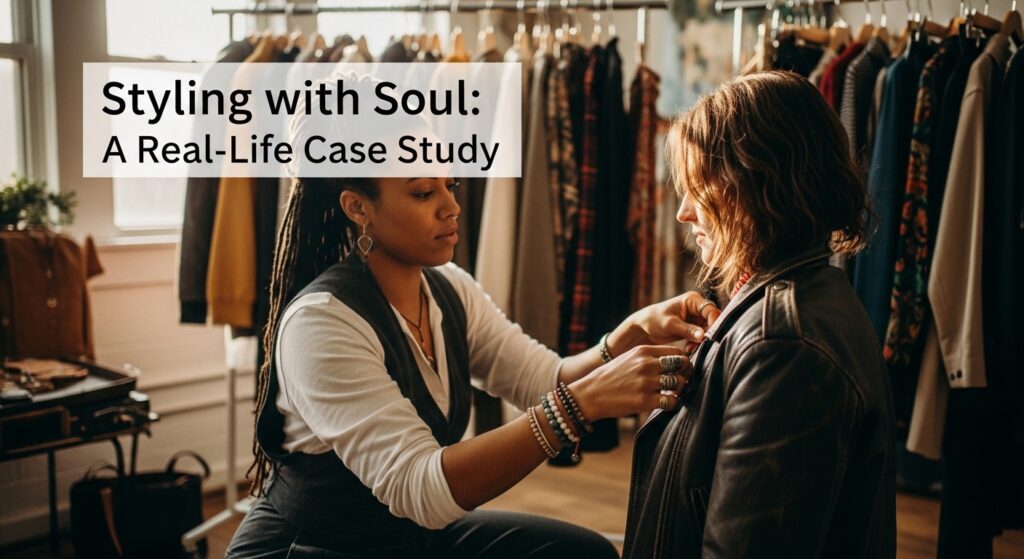
I recently helped a client, a 22-year-old grad student, refine her style. She thought she needed a $2,000 handbag to nail the vibe. We skipped that. Instead, we hit a high-end consignment shop and found a pristine 90s trench coat and a pair of leather loafers that just needed a polish. We paired those with a simple, high-quality white tee and well-fitted vintage Levi’s.
The result? She looked polished, expensive, and entirely herself. The secret wasn’t the items; it was the fit and maintenance. A $50 shirt tailored to your body beats a $500 shirt off the rack every time. In 2026, the most stylish girls are the ones who know a good tailor and aren’t afraid to mix a vintage find with a modern basic. It’s about curation, not accumulation.
Ethics and Accessibility
We have to address the elephant in the room. “Old Money” romanticizes a level of wealth that excludes many. As we embrace these trends, it’s vital to decouple the aesthetic from elitism. You don’t need generational wealth to dress with intention.
The most authentic way to adopt this style is through thrifting, swapping, and repairing. Focus on ethical fashion choices. Support brands that pay living wages. Buy less, but buy better. The 2026 iteration of this trend should be inclusive in its values. It’s about respecting resources and rejecting the churn of micro-trends. True luxury is having the time and knowledge to care for what you own, not just the money to replace it.
The Bottom Line
By 2026, the girls who truly master this style won’t be the ones chasing every viral drop. They’ll be the ones wearing the same great coat for ten years. They’ll value the story behind the stitch. Fashion is slowing down, and that’s a beautiful thing. Build a wardrobe that serves your life, invest in pieces that can be passed down, and ignore the noise. Style, like good manners, never goes out of fashion.
FAQs
Q: What defines the Old Money aesthetic in 2026?
A: It’s evolved beyond logos and beige tones. In 2026, it focuses on high-quality natural fabrics, unstructured tailoring, timeless silhouettes, and a “lived-in” color palette. The emphasis is on sustainability, craftsmanship, and personal curation over brand recognition.
Q: Can I achieve this look on a budget?
A: Absolutely. Focus on thrifting and consignment shops for natural fiber pieces like wool blazers and silk blouses. Prioritize fit; a tailored inexpensive item looks better than an ill-fitting designer piece. Learn basic mending and care to extend the life of your clothes.
Q: What are the essential pieces for a 2026 capsule wardrobe?
A: Key items include an unstructured blazer, a trench coat, high-waisted tailored trousers, a chunky merino knit, a bias-cut midi skirt, leather loafers, and a crisp white cotton shirt. Stick to versatile colors like navy, charcoal, oxblood, and cream.
Q: Is Old Money style the same as preppy?
A: They overlap, but they aren’t identical. Preppy often includes brighter colors, patterns, and sportier elements. Old Money aesthetic leans more toward minimalist, heritage, and understated elegance. In 2026, the lines blur with “Heritage Modern,” which borrows the quality of both but drops the costume-like elements.
Q: How do I make sure my outfit doesn’t look costumey?
A: Avoid head-to-toe matching sets or stereotypical props. Mix textures and eras pair a vintage silk scarf with modern denim, or wear a structured blazer with relaxed trousers. Focus on how the clothes feel and move. Authenticity comes from wearing clothes that suit your lifestyle, not just copying a mood board.
