
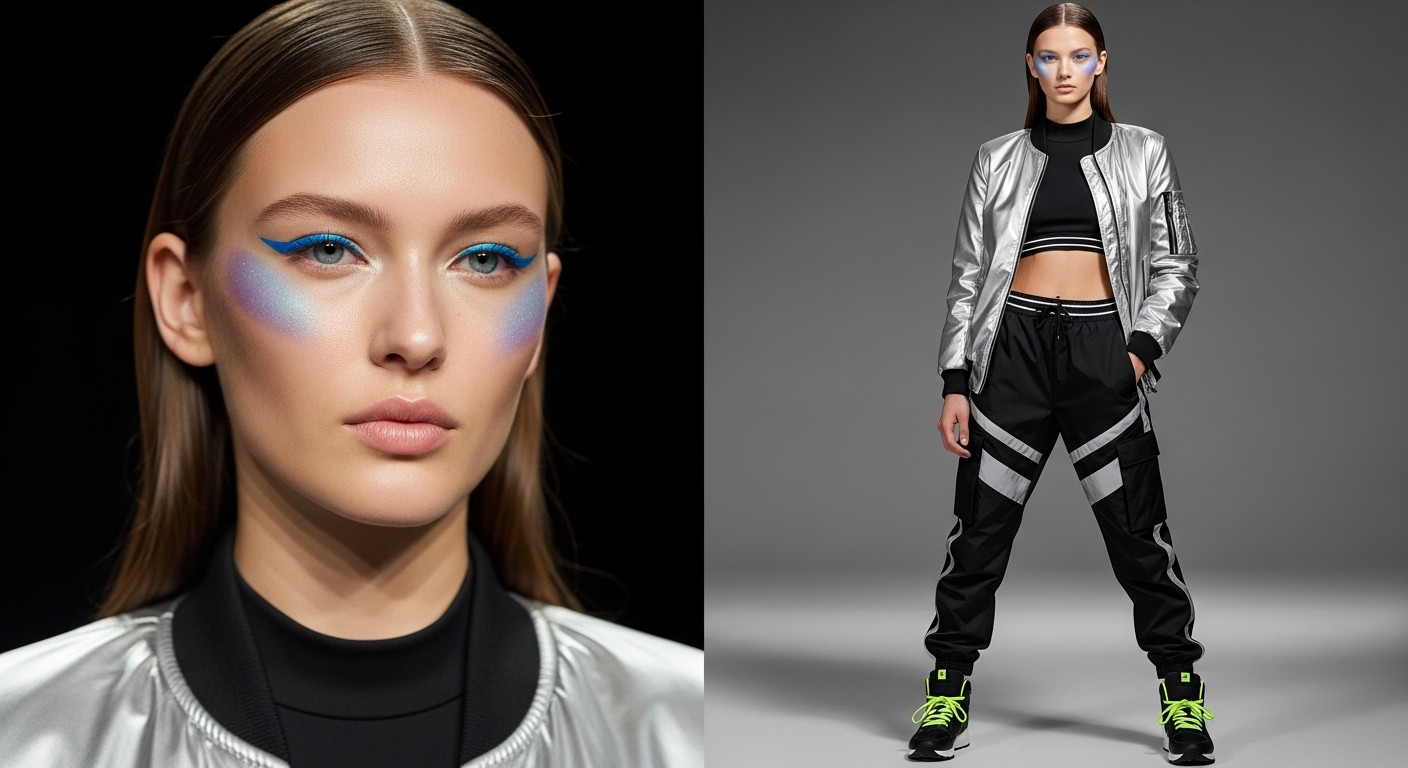
Here’s the thing about getting dressed in 2026: it’s no longer just about throwing on a top and hoping for the best. The line between your makeup and your outfit has blurred so completely that now, your face is just another accessory or, more accurately, the outfit starts with your face. I’ve been in the beauty and styling trenches for over a decade, working backstage at shows and doing one-on-one consultations with women who are tired of feeling like their makeup and clothes are fighting each other.
And I’ve watched the trend cycle shift from matchy-matchy (remember when your lipstick had to perfectly match your dress?) to a much more intuitive, almost artistic approach. By 2026, we’re not just matching colors. We’re matching textures, moods, and even the energy of an outfit.Let me break down what’s actually working right now, what’s falling flat, and how you can pull this off without looking like you tried too hard.
The Big Shift: From “Match” to “Harmonize”
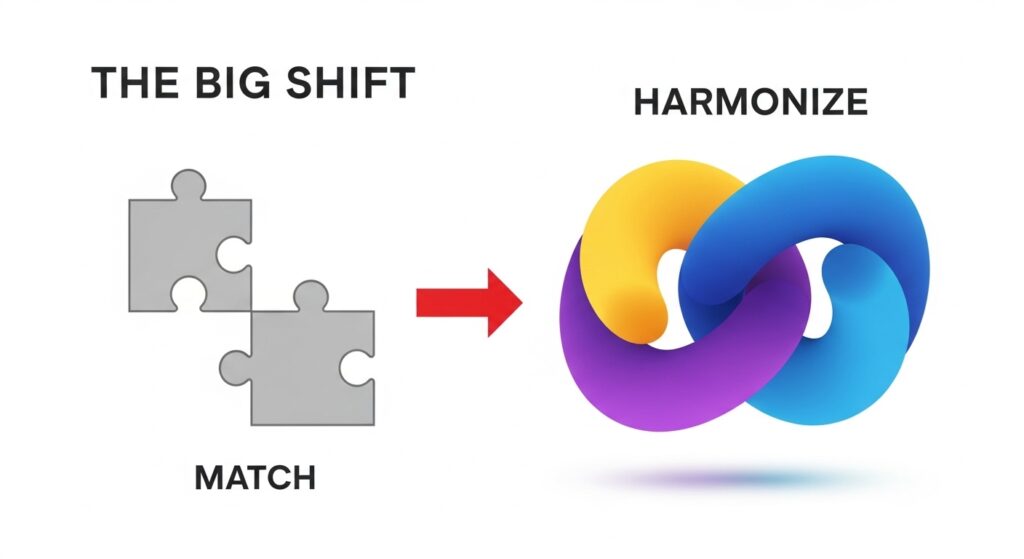
The biggest mistake I see? Women picking a lipstick shade that exactly matches their blouse. It feels safe, but in 2026, it reads as dated. The new rule is harmony, not duplication. Think of it like music: you don’t want two instruments playing the exact same note at the same volume. You want a chord.
Real-world example: I worked with a client last month who had a stunning olive-green silk blazer. Her instinct was to reach for a green lipstick. Instead, I steered her toward a warm, terracotta-brown lip liner with a clear gloss. The brown had enough green undertone to feel connected to the blazer, but it wasn’t a copy. The result? Her face felt like it belonged with the jacket, not like she was wearing a costume. That’s the 2026 way.
The Four Core Matching Strategies for 2026
Based on what I’m seeing on the streets, in editorial shoots, and in my own kit, there are four dominant ways to make your makeup and outfit sing together. None of them involve pulling out a color wheel and doing math.
1. The Monochromatic Mood (But with Texture Play)
This is the biggest trend I’m seeing right now, and it’s deceptively simple. You pick one color family say, rose or mauve or even slate grey and you wear it from head to toe, but you change the texture. A matte knit sweater, paired with a glossy, wet-look eye shadow in the same color family. Or a velvet dress with a matte, blurred-out lip.
Why it works: The eye sees the same color, but the brain registers different surfaces. It feels expensive and intentional without being boring.
Practical tip for you: If you’re wearing a burgundy corduroy pantsuit, skip the matte burgundy lip. Go for a glossy, almost sheer burgundy stain. The gloss creates a shine that mirrors the texture of the corduroy’s nap, but it doesn’t match it exactly. It’s a conversation between fabrics.
2. The “Anti-Match” (Complementary Contrast)
This is my personal favorite, and it’s where you can get a little weird. Instead of matching, you choose a color that sits opposite your outfit on the color wheel, but you use it in a muted, wearable way.
Case study: I had a client who wore a bright, electric blue dress to a summer wedding. She was worried about looking too “1980s prom.” I convinced her to do a soft, peachy-coral eye with a hint of gold shimmer. Blue and orange are opposites, but the peach was soft enough that it didn’t clash. It actually made the blue look deeper and more vibrant.
The limitation: This takes a confident hand. If you’re new to this, start small. Don’t do a full orange eye with a blue dress. Try a coral blush or a peach-toned highlighter. It’s a nod to the contrast without screaming for attention.
3. The Texture Cascade (Metallics, Glitters, and Sheers)
In 2026, we’re moving away from heavy, full-coverage everything. The trend is skin-like but with moments of high-impact shimmer. The trick is to match the finish of your outfit, not the color.
- If you’re wearing denim or linen (matte, natural fabrics): Go for a skin-like base with a blurring powder. Avoid heavy glitter. Instead, use a cream highlighter on the high points of your face for a subtle, healthy skin sheen.
- If you’re wearing satin, sequins, or patent leather (high-shine): Now you can play with sparkle. A liquid eye shadow with fine glitter or a metallic lip will feel perfectly aligned. The rule is: the shinier the fabric, the shinier the face can be.
Real-world story: I remember a night out where I wore a cheap, shiny pleather skirt. I tried to tone down my makeup to “balance” it, and I looked like my face and my body were in different decades. The next time, I leaned into it I used a metallic silver liquid eye shadow and a clear gloss. It was cohesive. The lesson? Don’t fight your fabric. Join it.
4. The “Colorful Neutral” (For the Fearful)
Not everyone wants to walk out the door looking like a painting. If you’re more conservative, the 2026 trick is to match the undertone of your neutral outfit.
How to do it:
- A cream or beige outfit with cool: pink undertones? Your makeup should have cool, pink undertones. A rosy blush, a pinkish-nude lip.
- A beige or camel outfit with warm: yellow undertones? A peachy blush, a brown-toned nude lip, and a warm champagne eye shadow.
This is the most subtle way to match, and most people won’t even know why you look so put together. They’ll just think you glow. It’s about micro-harmony.
What to Avoid in 2026 (Lessons I’ve Learned the Hard Way)

- The full-face glitter bomb with a casual outfit. If you’re in jeans and a t-shirt, a glitter eye is fine. But a glitter eye and a glitter cheek and a glitter lip with a casual outfit looks like you forgot to take your party makeup off. Pick one zone.
- The “matchy-matchy” lip and dress. Unless you are going for a very specific editorial look or it’s a themed party, it almost always looks too costumey.
- Ignoring your skin’s natural finish. You can have the perfect eyeshadow, but if your foundation is cakey and your skin looks tired, the whole look falls apart. The best makeup match for any outfit is fresh, hydrated skin.
The Ethical and Practical Corner: Sustainability in Your Look
Here’s a thought that I think about a lot: we’re buying less in 2026, or at least trying to. The outfit might be a vintage blazer you’ve had for years. The matching becomes about making that piece feel new.
I’ve started advising clients to use their makeup as a way to re-style an old outfit. That burgundy dress you wore to three weddings? Try it with a lilac eye shadow and a nude lip next time. You’ve just changed the outfit’s mood without buying a new dress. That’s smart, sustainable styling.
Final Thought: Don’t Overthink It
The best matching I’ve ever seen isn’t the one that follows all the rules. It’s the one where the person looks comfortable. If you’re in a power suit and you feel powerful with a bold red lip, that works, even if the suit is blue. Confidence is the ultimate texture.
So, for 2026: look at your clothes, feel the fabric, note the color’s feeling (is it loud, quiet, sharp, soft?), and then let your makeup be a supporting actor, not a star trying to steal the scene.
FAQs
Q: Should my nail polish match my outfit?
A: Not exactly. In 2026, nails are often treated as a separate accent. A neutral or clear nail with a bold outfit is chic. If you want color, try a shade that complements your outfit’s undertone rather than its exact color.
Q: What if I’m wearing a print or pattern?
A: Pull the lightest or most neutral color from the print for your face. If you have a floral dress with tiny yellow flowers on a navy background, go for a soft navy eye or a yellow-toned highlighter. Don’t try to match every color.
Q: Can I wear bold makeup with a bold outfit?
A: Yes, but only if you commit. A bright yellow dress with a bright fuchsia lip can look incredible, but it’s a statement. The secret is to keep the skin very clean and minimal. Let the two bold elements be the only thing people see.
Q: What’s the one “fail-safe” combination for any occasion?
A: A neutral, glossy eye (just a wash of champagne or bronze) with a matte, rosy blush and a tinted lip balm. This works with denim, silk, suits, and sundresses. It’s the 2026 version of the no-makeup makeup look, and it harmonizes with almost anything.
Q: Does hair color change the rules?
A: Absolutely. Your hair is part of your “outfit” now. If you have dyed hair (especially unnatural colors like pink or blue), your makeup should be simpler. Let your hair be the focal point. If you have natural, neutral hair, you have more freedom to play with colorful makeup.
