
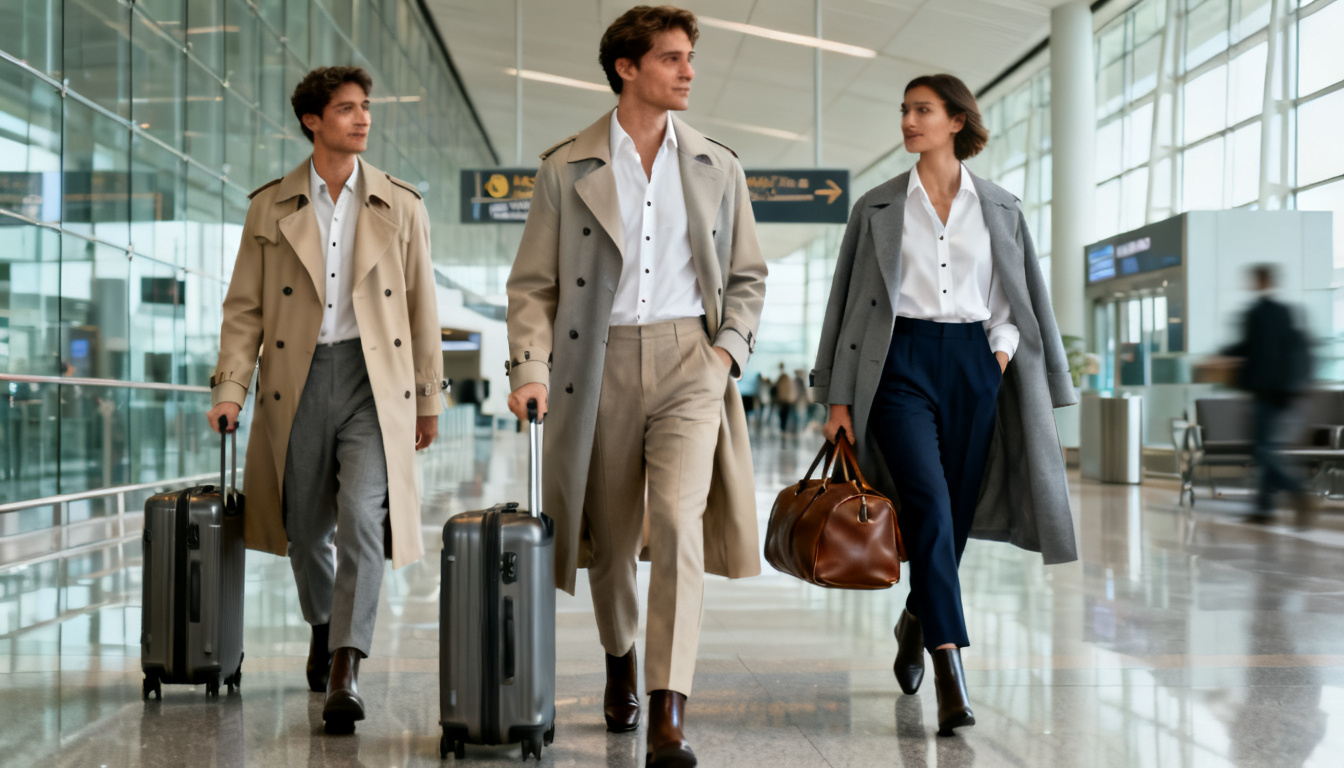
There was a time, not long ago, when airport style meant oversized sunglasses hiding dark circles and sweatpants that had definitely seen better days. But somewhere around 2024, the tarmac became the most photogenic runways in the world. As we look toward 2026, the trajectory of celebrity airport fashion isn’t just changing; it’s maturing. The days of trying to look cool while struggling through customs are over. Today, it’s about intentionality, fabric technology, and comfort that doesn’t scream compromise.
Having tracked travel trends for nearly a decade, from the rise of the flight attendant uniform aesthetic to the current dominance of quiet luxury off-duty looks, I’ve noticed a distinct shift. The goalposts for airport style inspiration have moved from visibility to viability. In 2026, the best looks aren’t the ones that flash logos; they’re the ones that survive a layover without wrinkling and transition seamlessly from the terminal to dinner. Here is how you can decode and copy these looks without needing a personal stylist on standby.
The Rise of the Tech-Comfort Hybrid

The biggest trend shaping travel outfits 2026 is the marriage of performance fabric with tailoring. We’re seeing a move away from pure cotton or stiff wool suits toward smart blends modal, merino, and recycled elastane mixtures that breathe.
Consider the look often worn by style icons like Hailey Bieber or Alexa Chung in their recent transit photos. It usually starts with a foundation layer that fits like a glove but moves like athletic gear. For example, instead of a rigid suit jacket, opt for a structured blazer made from stretch-cotton or tech-twill. I tested a similar iteration last season on a fourteen-hour transatlantic flight. While others were shedding layers because the cabin got stuffy, the breathable weave kept me regulated without overheating.
To copy this look, prioritize fit over brand. You want shoulders that sit correctly but sleeves that allow for bending your elbows while reaching for overhead bins. Pair this with tailored joggers. They shouldn’t look like sweatpants from the back; they need a clean hemline and perhaps a subtle cuff. This creates a silhouette that signals you know what you’re doing, even if you haven’t slept in two days.
The Monochrome Strategy
Monochromatic dressing has been a staple of street style for years, but for 2026, it’s evolving into a utility-focused practice. When you wear head-to-toe navy, charcoal, or olive, you create a vertical line that elongates the body a small trick, but one that makes a significant difference when standing in line for security. However, the nuance lies in texture. A flat all-black outfit can look uniform-like or somber.
Instead, layer different textures within the same color family. Try a ribbed knit sweater under a matte leather bomber jacket, finished with suede loafers. The light hits the different materials differently, creating depth. I’ve observed that paparazzi photographers are increasingly zooming in on these tactile details rather than just the logo on the hoodie.
This approach works exceptionally well for those who find coordinating colors stressful. By sticking to a palette of three neutral tones, you reduce decision fatigue. You can pull items from your luggage easily to swap out stained socks or sweaters without ruining the visual flow of your ensemble. It’s practical psychology wrapped in comfy chic travel wear.
Footwear: The Non-Negotiable Foundation
Let’s be honest: airport fashion fails at the feet. I’ve watched influencers ruin an otherwise impeccable look by forcing themselves into stilettos or hard-soled boots. The 2026 standard for footwear is the architectural sneaker or the elevated loafer. Think chunky soles, premium nubuck leather, or orthotic-friendly brands like Cole Haan or Veja. These shoes offer the cushion of running trainers with the sophistication of dress shoes.
A few seasons ago, a friend flew economy wearing leather sandals. She looked stylish in photos, but by arrival, her arches were screaming. The lesson? Style must be sustainable for twelve hours. If you choose sneakers, keep them pristine. White leather trainers work wonders, provided you wipe them down immediately upon landing.
Ethical Considerations and Longevity

We also have to talk about the ethics behind churning out new trends for every trip. Sustainable travel wear is becoming a major talking point in the fashion industry. Buying a cheap polyester jumpsuit specifically for one Instagram photo contributes to landfill waste. As experts advise, the best investment for 2026 is buying pieces with longevity. Invest in a high-quality cashmere blend cardigan or a durable denim jacket.
These are items you’ll wear ten times post-travel. Before purchasing, ask yourself: Will I wear this when I land? If the answer is no, reconsider the buy. Celebrity wardrobes often look curated because many pieces are staples worn repeatedly in different contexts. Emulating that mindset saves money and reduces environmental impact.
Limitations to Remember
While we love the aesthetic, it is crucial to acknowledge that airport fashion is still secondary to functionality. Sometimes, the weather turns, delays happen, or you simply aren’t feeling well. There is no shame in swapping the blazer for a windbreaker. Authenticity trumps perfection. If you try to force a look that requires constant adjusting, the discomfort will show in your posture. The true mark of style in transit is ease.
Final Thoughts
Ultimately, nailing airport fashion looks in 2026 is about confidence and preparation. It’s about knowing that the clothes you’re wearing can handle turbulence, temperature drops, and tight seats without losing their shape. By focusing on technical fabrics, cohesive neutrals, and supportive footwear, you don’t just look the part you live it comfortably. So, pack smart, dress with intent, and remember that the journey matters just as much as the destination.
FAQs
Q: What are the top colors for airport fashion in 2026?
A: Stick to versatile neutrals like charcoal, oatmeal, sage green, and navy. These colors hide stains well and coordinate easily with accessories.
Q: Can I wear jeans for a long-haul flight?
A: Yes, provided they are dark wash and contain stretch (at least 2% elastane). Avoid raw denim which can restrict movement and take days to recover from creasing.
Q: How do I keep my outfit from wrinkling?
A: Pack items inside garment bags or roll rather than fold. Choose synthetic blends or knits naturally resistant to wrinkling for travel days.
Q: Is it okay to wear sunglasses inside the plane?
A: Absolutely. Sunglasses are a great way to manage screen glare and protect your privacy during rest periods, a staple in many celebrity travel routines.
Q: Should I match my carry-on to my outfit?
A: Not necessarily, but keeping your luggage aesthetic consistent with your style helps the overall impression. A sleek rolling bag pairs better with a blazer than a duffel bag.
