
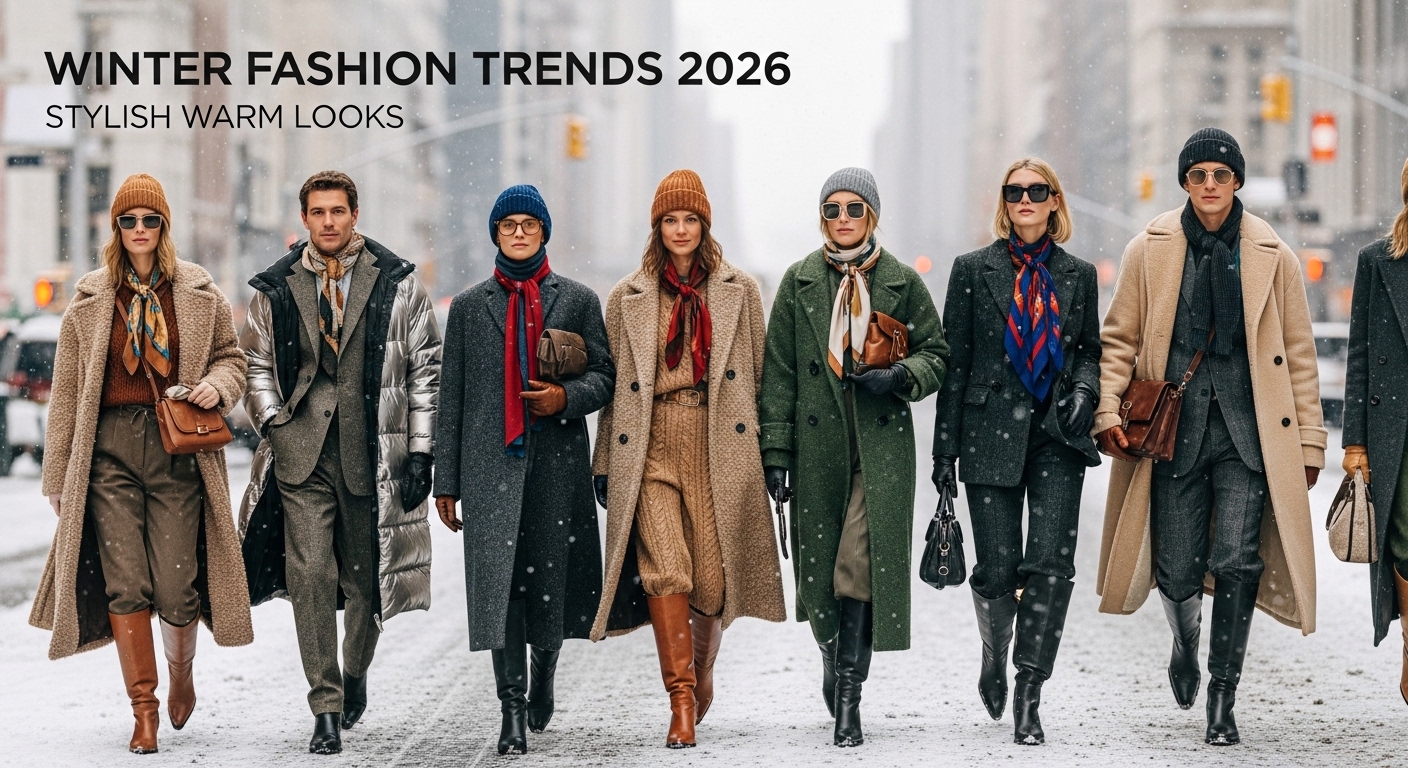
If you’ve spent any time in a northern city in January, you know the annual winter fashion dilemma: staying warm without looking like you’ve given up. In 2026, designers and everyday dressers alike seem to have reached a rare truce. The season’s strongest looks aren’t about sacrificing comfort for style, or vice versa; they’re about building outfits that move with you, protect you from wind and wet snow, and still read as intentional. Over the past year, I’ve watched this shift play out on runways in Copenhagen and Milan, in the shop windows of London and New York, and most tellingly on the sidewalks where real people actually live their lives in subfreezing temperatures.
The big idea: intentional layering, not bulk
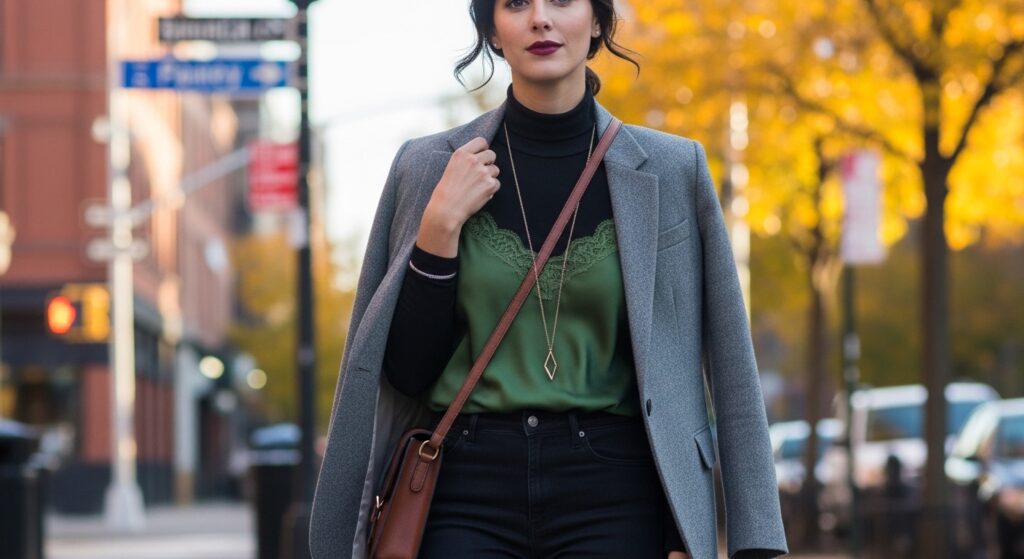
The headline of Winter Fashion Trends 2026 is layering with purpose.” This isn’t the old advice to throw on a turtleneck under a sweater under a coat. It’s a more deliberate system: a base layer that manages moisture, a mid layer that traps heat, and an outer layer that blocks wind and precipitation each chosen for fit, finish, and how it interacts with the layers above and below.
A good example is what I saw on a commute in Stockholm: a woman in a sleek, ribbed merino base top, a cropped wool blazer, and a long, structured rain-shell that hit mid-calf. From a distance, it looked like a clean, modern silhouette. Up close, you could see the engineering: the merino wicked sweat from her back as she walked briskly, the blazer added warmth without restricting arm movement, and the shell kept wind-driven sleet from reaching her layers. That’s the 2026 sweet spot—warmth you can feel, but a profile that still looks composed.
Key silhouettes and materials shaping the season
1) The “long coat, clean line” returns updated.
Maxi coats are back, but they’ve shed the shapelessness of past winters. Designers are favoring a slightly nipped waist, dropped shoulders, and hems that graze the ankle without swallowing the shoes. In practical terms, this matters: a longer coat that closes properly reduces drafts, and a clean line makes even a technical shell look polished. Look for coats in brushed wool, bonded wool blends, and treated canvas materials that hold their shape while resisting wind.
2) Technical fabrics get a luxury makeover.
The outerwear category has matured. Gore-Tex-like membranes, seam sealing, and water-repellent finishes are now being paired with matte surfaces, subtle sheen, and tactile linings like brushed tricot or quilted satin. This is a meaningful change for people who’ve avoided technical coats because they felt too sporty. A navy shell with a quilted lining can look just as appropriate at dinner as it does on a snowy walk.
3) Knitwear with structure.
Chunky knits aren’t disappearing, but they’re being refined. Think ribbed knit dresses, knit sets with tailored trousers, and sweaters with architectural shoulders or a slightly boxy fit that layers cleanly under coats. One of the most wearable trends I’ve noticed is the knit suit: a matching knit top and wide-leg trouser in the same gauge, worn with a long coat. It reads intentional, and it’s genuinely warm because the knit traps air close to the body.
4) Footwear that can handle slush without looking clunky.
After a few winters where practical boots dominated, 2026 brings a wider range of options that don’t compromise on grip. Expect lug-sole loafers with waterproofing, Chelsea boots with deeper treads, and sleek insulated ankle boots that look office-ready. The real innovation is in sole technology: rubber compounds that stay flexible in cold weather and tread patterns that shed slush. If you live somewhere with freeze-thaw cycles, this is where the season’s style meets survival.
Color, pattern, and the psychology of winter dressing
Winter has long been a season of safe neutrals, but 2026 is pushing a slightly brighter, mood-lifting palette still restrained, but not dull. Deep garnet, midnight teal, charcoal with a blue undertone, and soft stone tones are showing up in coats, scarves, and knitwear. These shades photograph well in low light and pair easily with the blacks and greys most people already own.
Patterns are more subtle than in spring and summer, but they’re there: faint herringbone, tonal checks, micro-stripes, and jacquard textures. The effect is visual interest without noise especially useful when you’re wearing multiple layers and don’t want the outfit to look busy.
Ethical and practical considerations: what to buy, what to avoid

With so many technical luxury pieces on the market, it’s worth being cautious. Some brands market waterproofing and warmth without clear standards, and others rely on materials that are hard to recycle. From experience, the most durable winter wardrobe is built around a few well-made anchors: one long coat, one shell, one pair of insulated boots, and two knit sets you can rotate. Prioritize reparability (replaceable soles, reinforced seams, linings you can access) and look for transparency on materials and treatments.
Another ethical note: fast fashion has flooded the market with cheap puffers and synthetic knits that shed microplastics and wear out quickly. If you’re tempted by a bargain, ask whether it will still look good after one season of daily wear. In many cities, winter clothing is truly used daily, and that kind of wear exposes shortcuts fast.
How to make these trends work in real life (a case study)
Take a teacher in Chicago who walks 15 minutes each way and spends all day on her feet. Her 2026 winter formula might look like this: merino base layer (moisture control), a tailored knit dress (warmth and polish), a long treated-wool coat (wind protection), and waterproof Chelsea boots with deep lugs (traction). She adds a thin scarf that can be tucked into the coat to block drafts at the neck. It’s not a runway fantasy; it’s a system that keeps her comfortable through temperature swings, snow, and the inevitable puddle someone tracked into the hallway.
Limitations: trends don’t solve geography
It’s important to acknowledge that no trend can replace local conditions. Coastal dampness, mountain wind, and prairie cold all demand different priorities. A sleek shell may look perfect but fail in sustained heavy rain if it’s not truly waterproof. A beautiful wool coat may feel ideal until you spend an hour waiting for a bus in -10°F wind. The best winter style in 2026 is the kind that respects the weather where you live.
FAQs
Q: What’s the single most important piece to buy for Winter 2026?
A: A long, well-constructed outer coat that closes properly and resists wind and wet snow.
Q: Are puffers still in style?
A: Yes, but they’ve become more refined sleeker baffles, better materials, and cleaner silhouettes that layer neatly under longer coats.
Q: How do I layer without looking bulky?
A: Choose thin base layers (merino), structured mid layers (tailored knits or a cropped blazer), and a coat with enough room for movement without excess fabric.
Q: What shoes work best in slush?
A: Waterproof boots or loafers with deep-lug soles and flexible rubber that performs in cold temperatures.
Q: Is it worth investing in technical fabrics?
A: If you face wet snow, wind, or long daily walks, yes just prioritize brands that are transparent about materials and offer repairability.
