
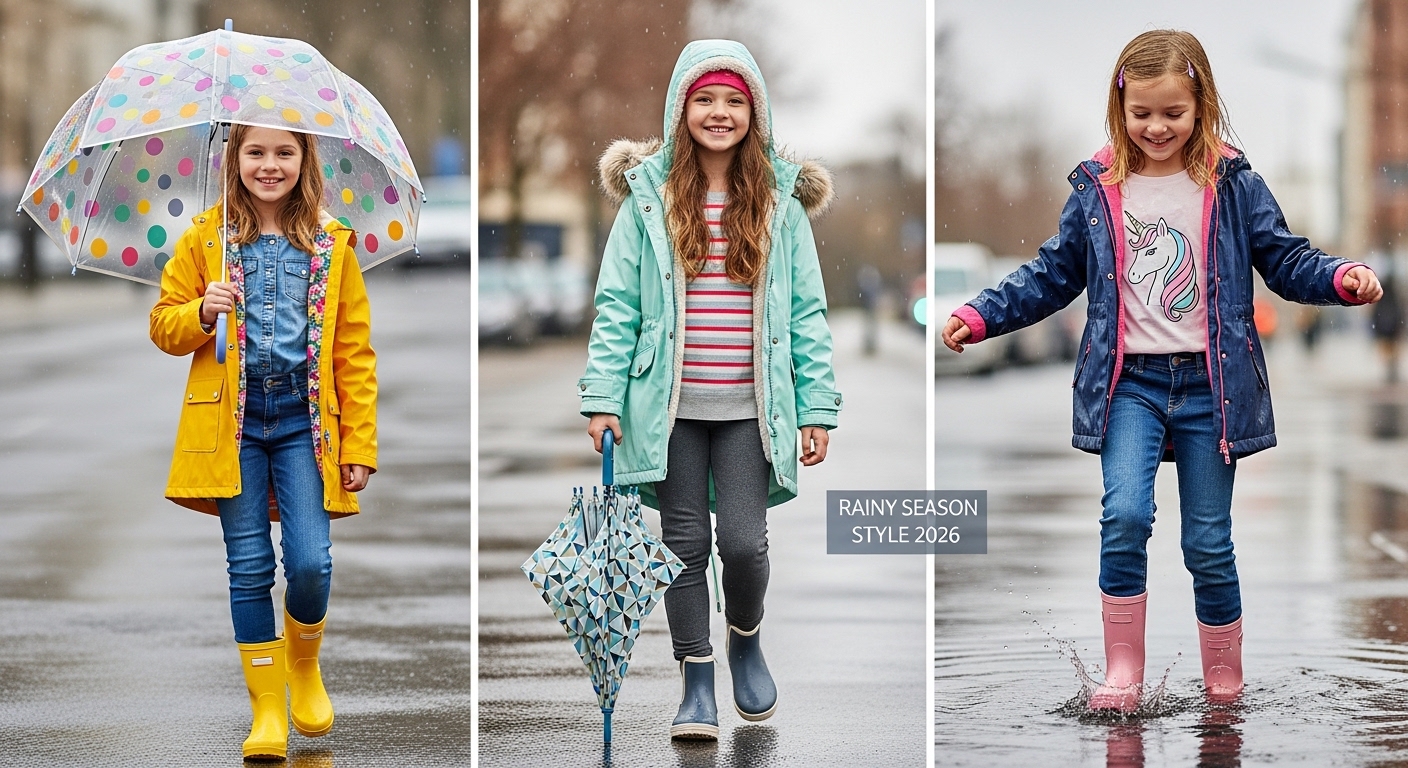
I still remember the Great Downpour of ’24 when I stood under a shop awning, watching my favorite canvas sneakers disintegrate into soggy sponges while my water-resistant jacket leaked right through the shoulder seams. That was the moment I realized rainy season fashion isn’t just about aesthetics; it’s about engineering, fabric science, and a bit of street smarts.
Fast forward to 2026, and the game has changed. We’re dealing with more unpredictable weather patterns, and thankfully, the fashion industry has finally caught up. This year, rainy season outfit ideas for girls aren’t about sacrificing style for dryness. It’s about smart layering, bio-fabric innovations, and a shift toward gear that actually lasts. If you’re prepping your wardrobe for the monsoon or those relentless spring showers, here’s what’s working on the ground right now.
The Fabric Revolution: What to Look For
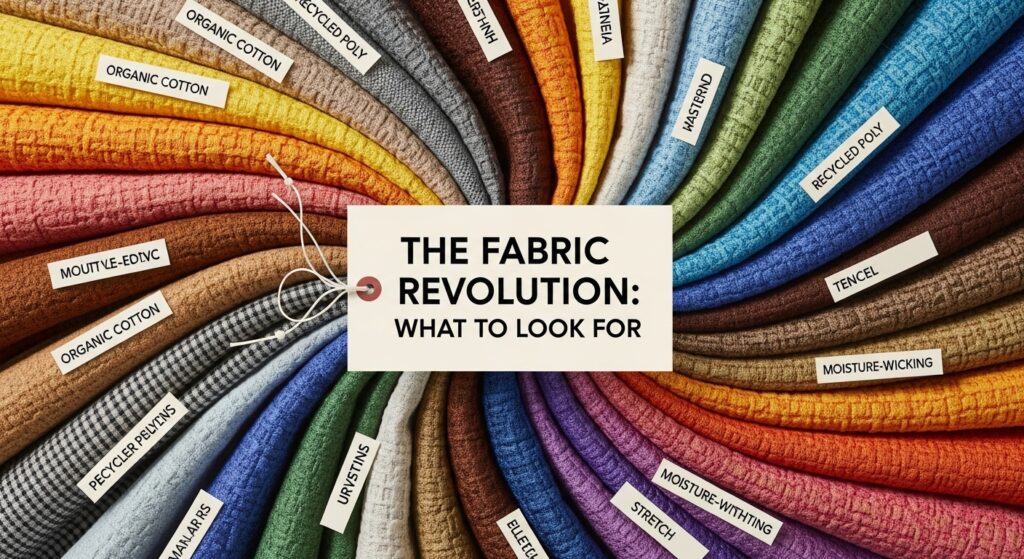
Before we get to the outfits, let’s talk materials. In 2026, the keyword is breathable waterproofing. The old PVC raincoats that made you sweat more than the rain wet you? They’re out.
Look for PFC-free waterproof coatings and recycled nylon blends. I’ve been testing a few jackets with algae-based hydrophobic finishes, and the bead-up effect is impressive without that plastic crinkle. For everyday wear, quick-dry viscose blends and Tencel™ with moisture-wicking treatments are lifesavers. They handle humidity without clinging, which is a non-negotiable for comfort.
Pro tip: Check the seams. If a garment claims to be waterproof but lacks taped or welded seams, it’s lying. Water finds the path of least resistance, and that’s always the stitching.
Top Rainy Season Outfit Formulas for 2026
Based on what I’m seeing on city streets and testing during my own commutes, here are three reliable outfit formulas that balance function with the current monsoon fashion trends.
1. The Urban Commuter: Wide-Leg Water-Repellent Trousers
Skinny jeans in the rain are a trap; once they get wet at the ankle, the dampness travels up. The 2026 solution is the wide-leg waterproof trouser. Brands are releasing silhouettes that look like chic workwear but are made from matte, water-shedding tech fabrics.
- The Look: Pair high-waisted, water-repellent wide-leg pants with a cropped, boxy rain jacket. The cropped length prevents the jacket from sitting on wet surfaces when you’re moving, and the volume allows for airflow.
- Real-life win: My niece, a college student, swears by this combo. She adds magnetic ankle cinches to the trousers when she’s biking, then pops them open for class. Versatility is key.
2. Campus Ready: The Modular Poncho System
Gone are the days of the flimsy drugstore poncho. This year, modular ponchos with integrated backpack covers are huge. These are designed with extended backs to cover your bag, keeping your laptop and books dry.
- The Look: Wear a quick-dry midi dress or leggings underneath. The poncho goes over everything. Look for versions with snap-button sides so you can access pockets without exposing your layers.
- Style note: Earth tones like moss green and slate grey are trending, but I’m seeing a splash of “digital lavender” accents for visibility. It’s practical and pops against grey skies.
3. Weekend Play: Bio-Leather Skirts and Drainage Sneakers
Yes, you can wear skirts. The trick is the hem length and fabric. A-line skirts made from coated bio-leather (mushroom or cactus-based alternatives are thriving in 2026) wipe clean instantly.
- The Look: A knee-length coated skirt with a tucked-in merino wool tee. Merino is magic; it regulates temperature and resists odors even when damp. Finish with chunky-soled drainage sneakers.
- Expert insight: Avoid long maxi skirts unless they have a high slit. I learned this the hard way when a dragging hem turned into a mud magnet. Keep hems above the splash zone.
Footwear: The Make-or-Break Element
Let’s be honest: shoes are the hardest part of rainy season outfit ideas. In 2026, we’re moving past the basic rubber boot.
- Amphibious Sneakers: These look like trendy chunky trainers but feature drainage ports and hydrophobic uppers. Water goes in, water goes out, and your feet dry in minutes. Perfect for heavy puddle territory.
- Chelsea Rain Boots with Grip Tech: The classic Chelsea silhouette remains a staple, but check the sole. Look for multi-directional tread patterns inspired by hiking gear. Smooth soles on wet pavement are a slip hazard. I always recommend trying boots on with the socks you intend to wear; a little room for thick socks adds insulation without compromising fit.
Ethical consideration: Fast-fashion rain boots often crack within a season, ending up in landfills. Invest in natural rubber or recycled options that can be repaired. A good pair should last years, not months.
Accessories and Layering Smarts
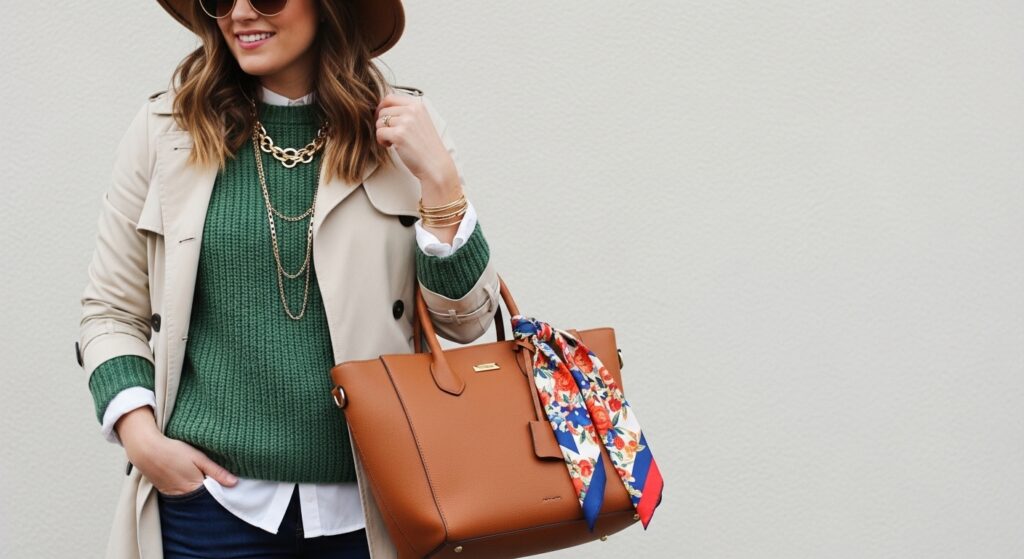
Rain gear isn’t just about the main pieces. It’s the details that save the day.
- Hoods that actually work: If a hood doesn’t have a stiffened brim or adjustable toggles, it’s useless in wind. I prioritize jackets with “helmet-compatible” hoods because they offer better coverage and structure.
- Bag strategy: Crossbody bags with waterproof zippers are essential. Alternatively, use a dry-bag insert inside your favorite tote. It’s a cheap hack that protects your phone and wallet.
- Hair management: Frizz is real. Silk-lined hoods are emerging as a niche luxury, but a simple satin scrunchie to keep hair up and off the neck prevents that damp, sticky feeling.
A Note on Sustainability and Care
As we embrace these waterproof outfits for girls, we have to talk about care. Technical fabrics lose their effectiveness if clogged with dirt or washed with harsh detergents.
Wash your rain gear cold, on a gentle cycle, and avoid fabric softeners they coat the fibers and kill water repellency. In 2026, re-proofing sprays made from plant-based waxes are widely available. A quick spray once a season restores performance and extends the life of your gear. This isn’t just eco-friendly; it’s economical. Treating your clothes well means buying less over time.
Also, acknowledge the limitations. No outfit is 100% foolproof in a torrential deluge. Sometimes, the smartest move is to wait it out or embrace the damp. Fashion should serve you, not stress you out.
Rainy season style in 2026 is about confidence. It’s knowing your gear works, your fabrics breathe, and you can step into a puddle without panic. By choosing durable, thoughtful pieces, you’re not just staying dry; you’re supporting a shift toward smarter, more responsible fashion. So, grab that wide-leg trouser, lace up your drainage kicks, and go enjoy the rain. It’s just water, after all.
FAQs
Q: What are the best fabrics for rainy season outfits in 2026?
A: Look for recycled nylon with PFC-free coatings, quick-dry Tinsel blends, and coated bio-leathers. These offer waterproofing or rapid drying without the sweatiness of old-school plastics.
Q: Can I wear sneakers in the rain?
A: Yes, but choose “amphibious” sneakers with drainage ports or hydrophobic uppers. Avoid canvas or suede, as they absorb water and take forever to dry.
Q: How do I keep my backpack dry during monsoon commutes?
A: Use a jacket with an integrated backpack cover or invest in a waterproof roll-top backpack. A simple dry-bag liner inside your regular bag is also a highly effective, low-cost solution.
Q: Are bright colors better for rainy weather?
A: Bright colors and neon accents are trending in 2026 for visibility during low-light storms. However, darker earth tones hide mud splashes better. Choose based on your priority: safety or low maintenance.
Q: How often should I re-proof my rain jacket?
A: If water stops beading up on the surface, it’s time. Generally, re-proofing once a season with a plant-based spray is sufficient for regular use. Always wash the jacket before applying treatment.
